
In an era where innovation and sustainability are crucial to business development, Hotel Ydalir stands as a pioneer experiment in the hospitality industry. Located on the campus of the University of Stavanger, the hotel is not merely a standard accommodation, it is an arena for learning, research, and development. Here, both students and staff at NHS - Department of Leadership and Service Development have the opportunity to use the hotel as a living lab for their research and education. At the same time, it is open to collaboration with external stakeholders, creating a dynamic meeting point between theory and practice.
What Makes Hotel Ydalir a "Learning Hotel"?
A "learning hotel" goes beyond just delivering an excellent guest experience. It is built on a culture where knowledge is actively shared and developed in practice. Hotel Ydalir acts as a hub for research and innovation in hotel management and service development by providing a real hotel environment where theories and concepts can be put to the test.
For the staff and students at the university's Department of Leadership and Service Development (NHS), this means a unique chance to run projects and gain direct insight into how their academic work can improve the hotel industry.
Real-World Innovation: The 17 m² Multifunctional Room
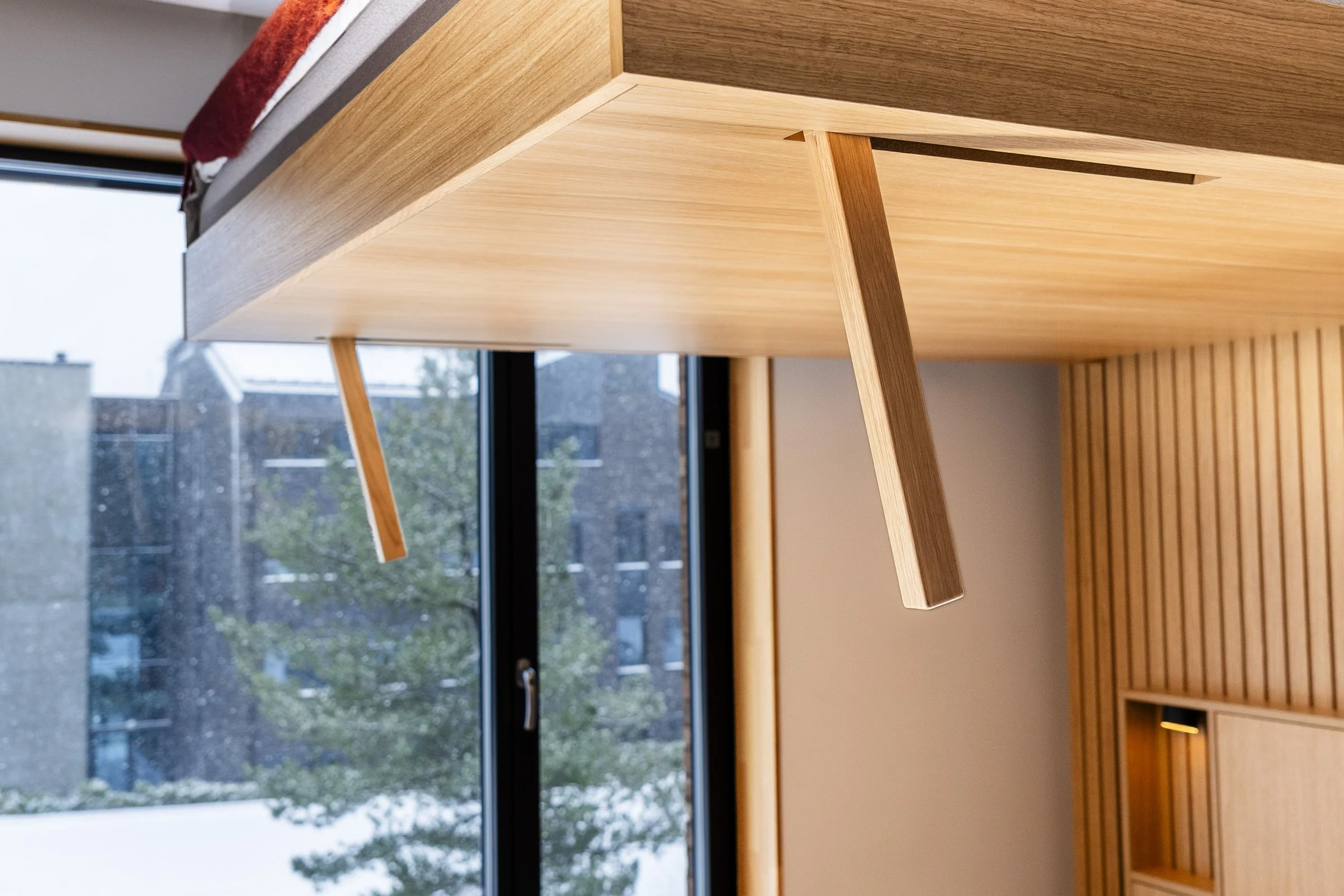
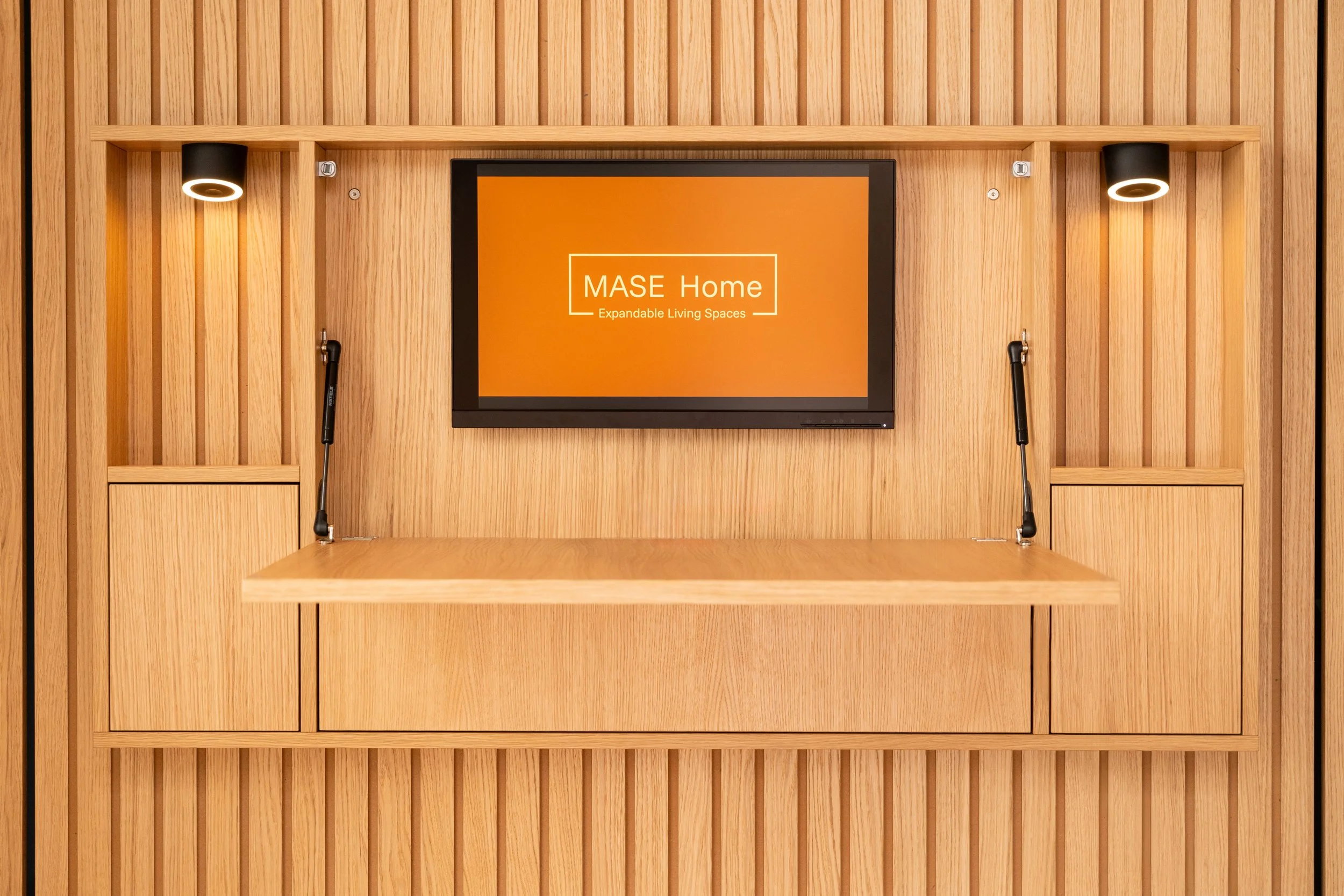
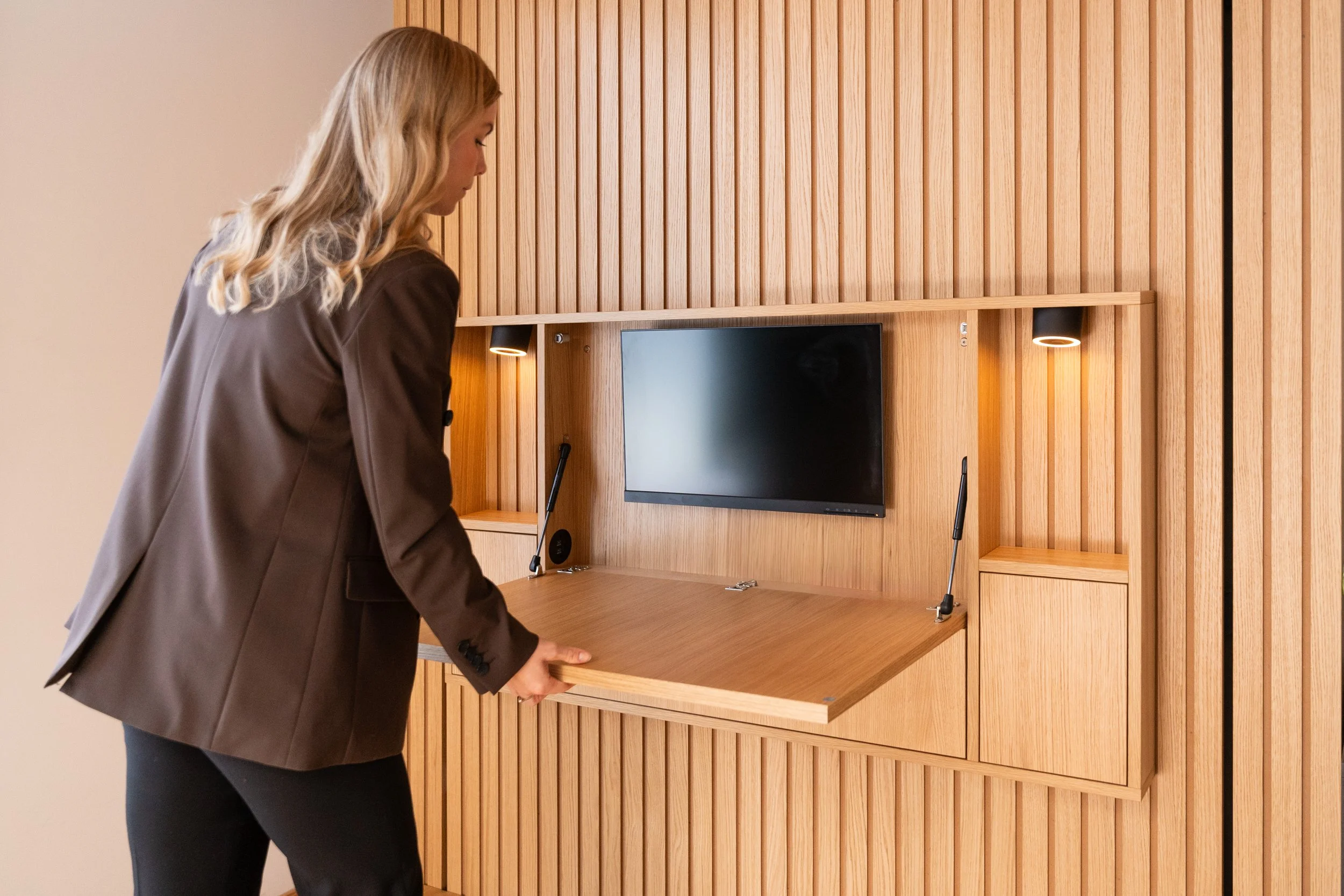
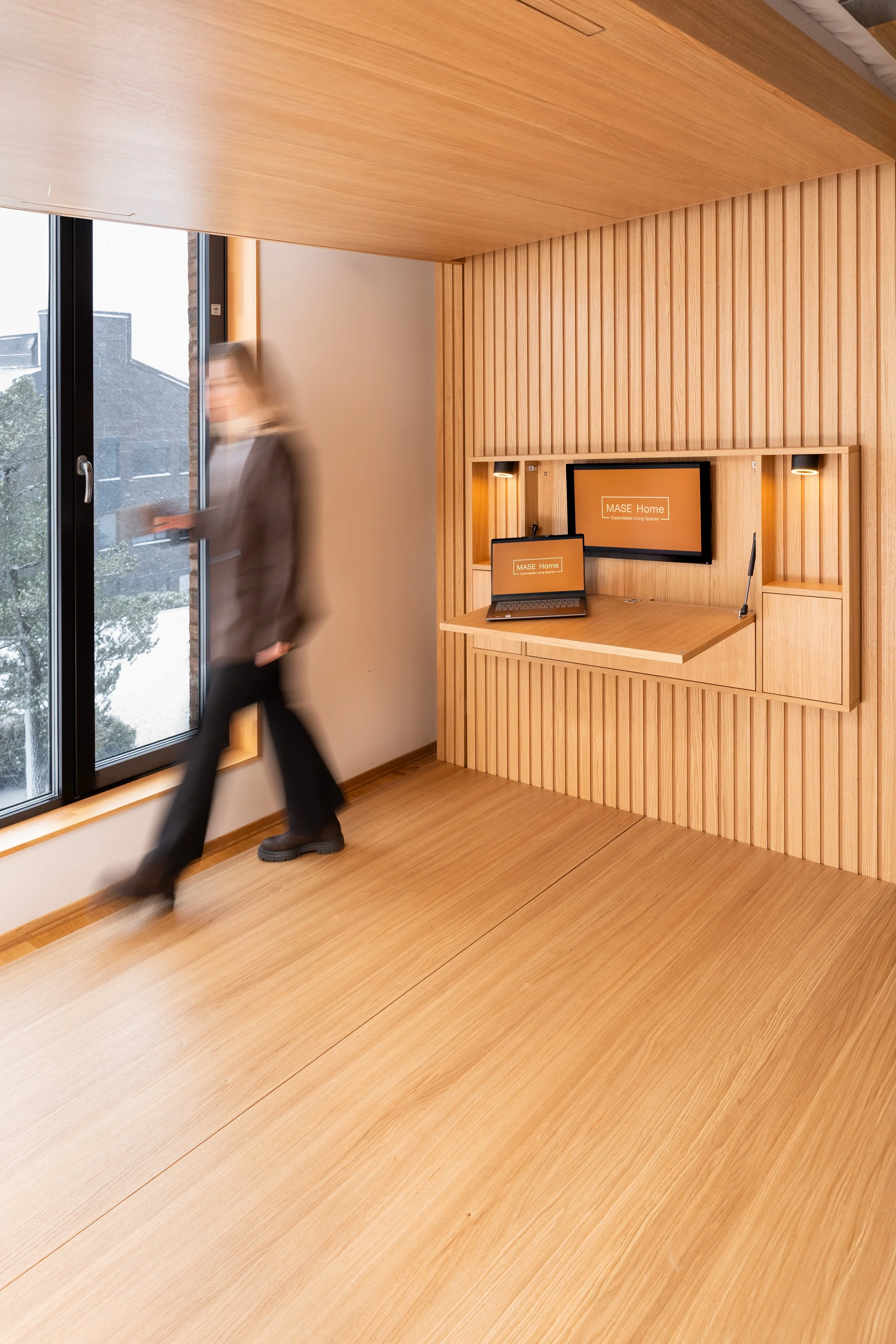
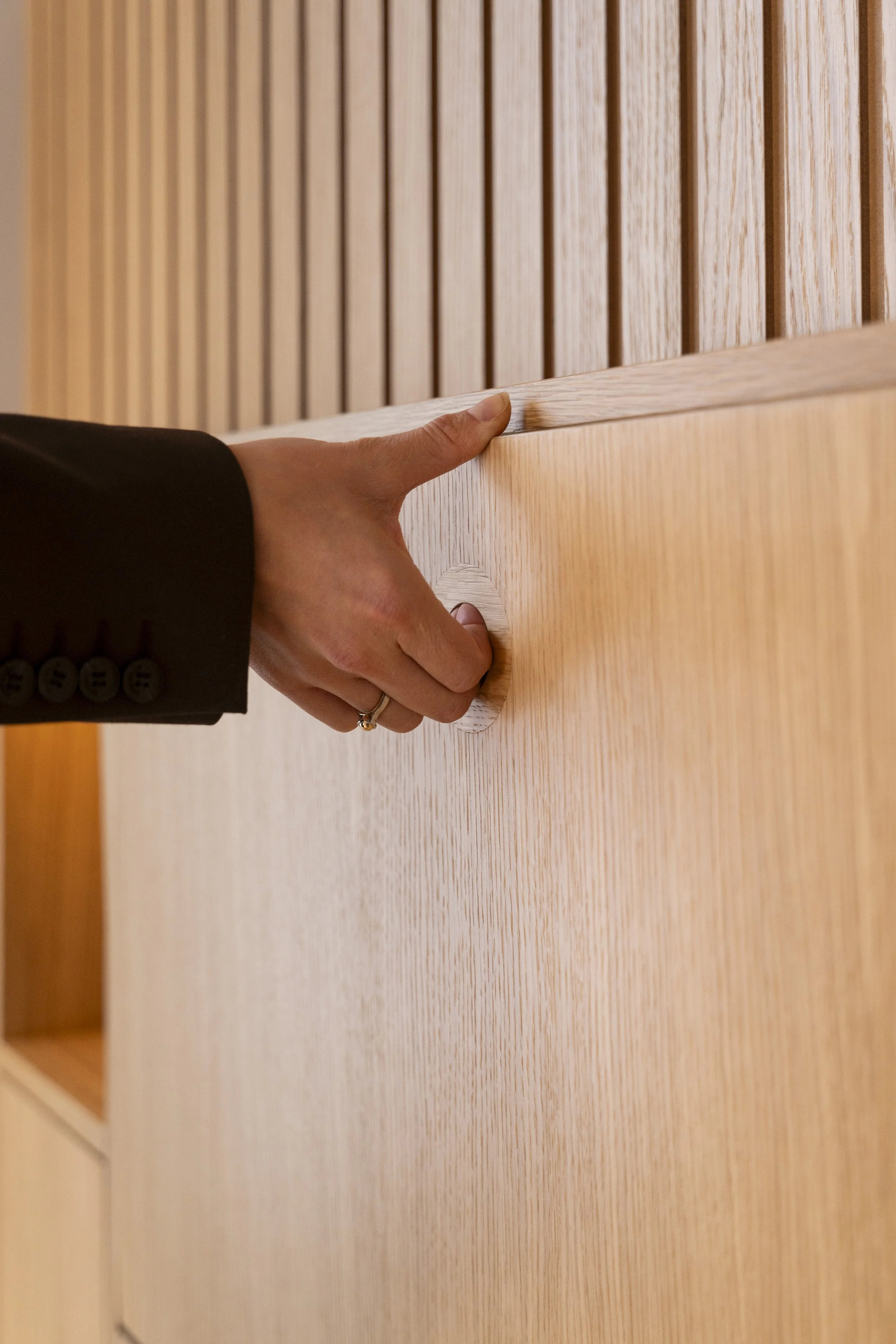
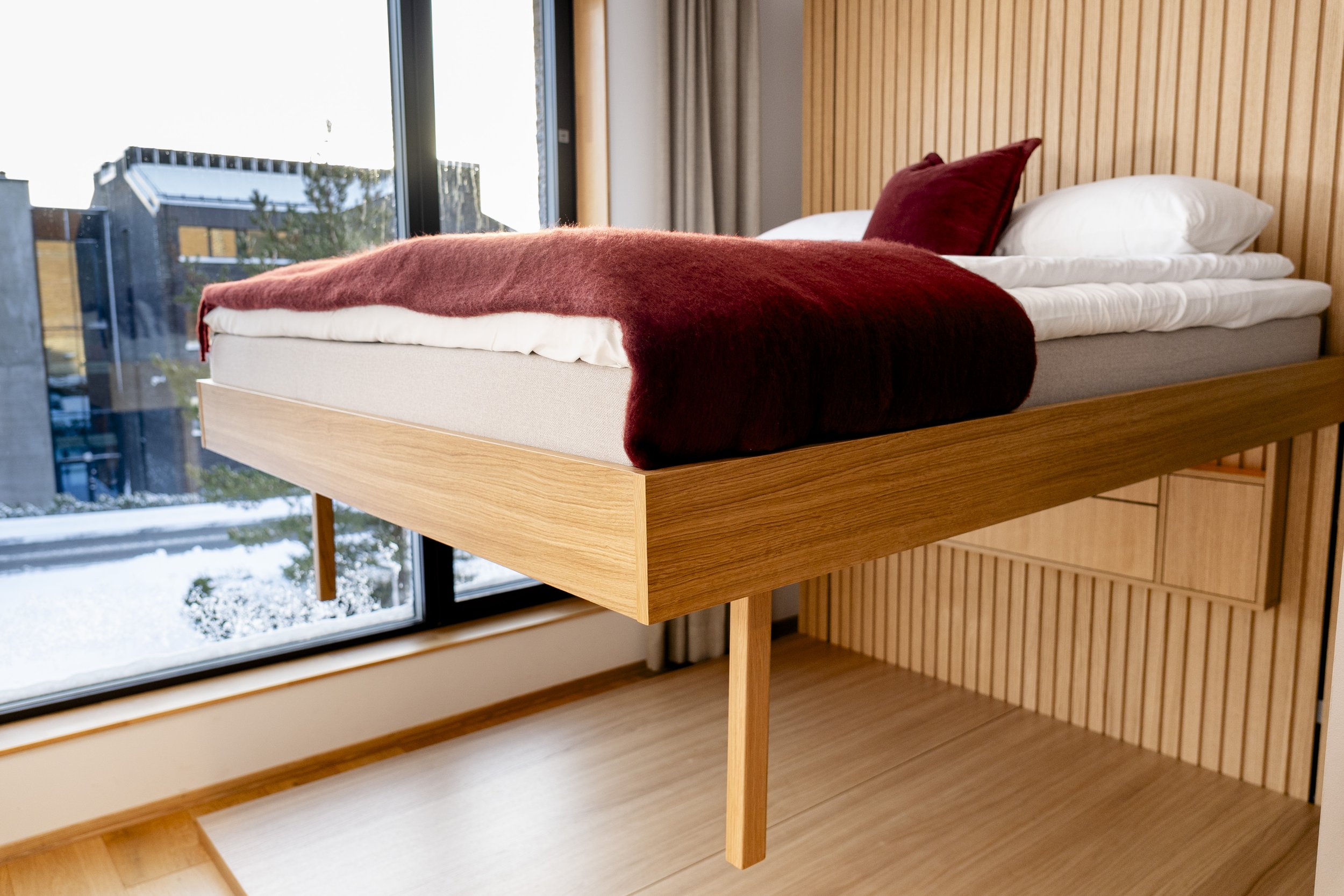
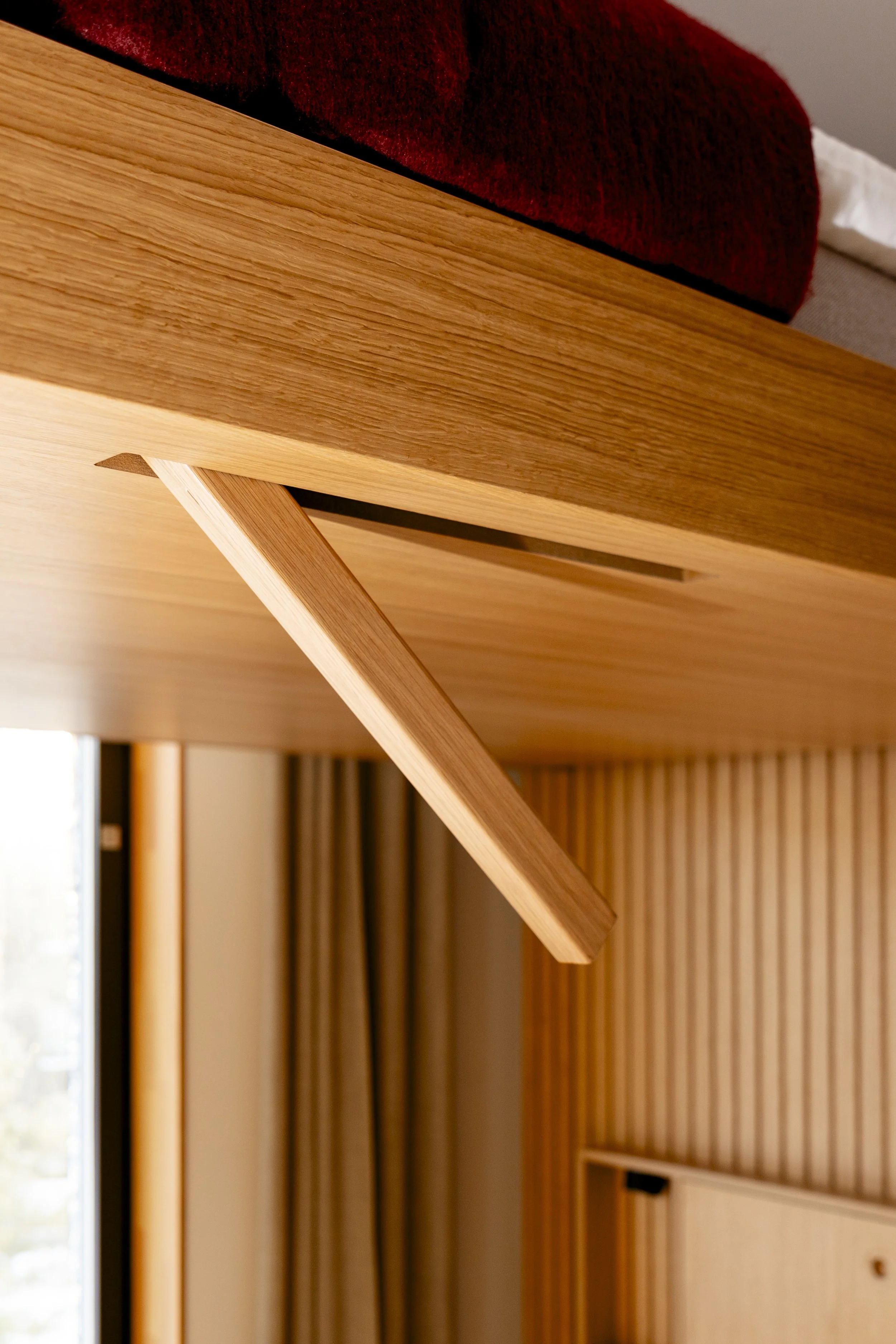
A prime example of Ydalir’s innovative spirit is its recent pilot collaboration with the MASE Home. Looking to improve space efficiency and reduce the construction industry's environmental footprint, the hotel decided to test MASE Home's robotic furniture in one of its standard rooms.
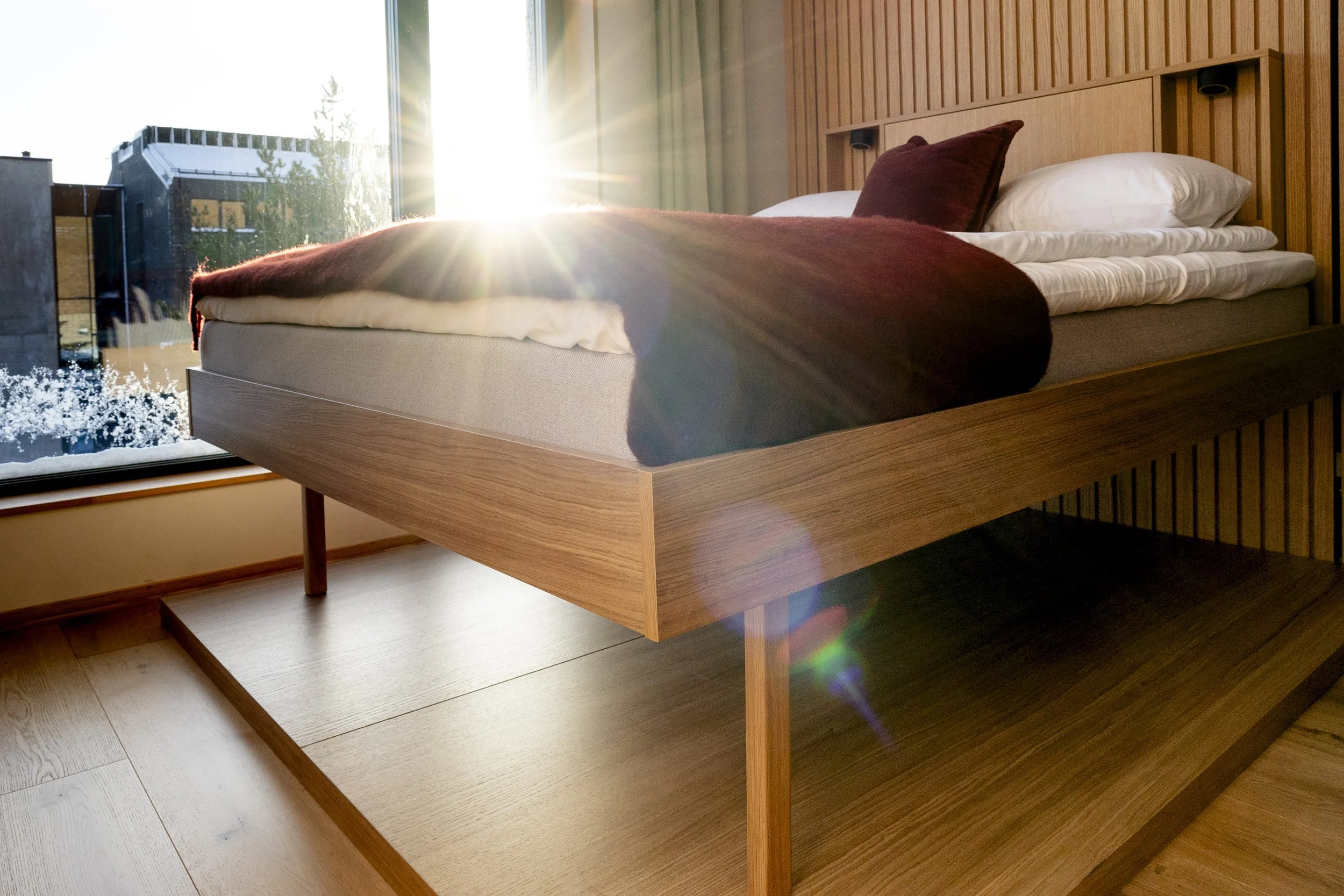
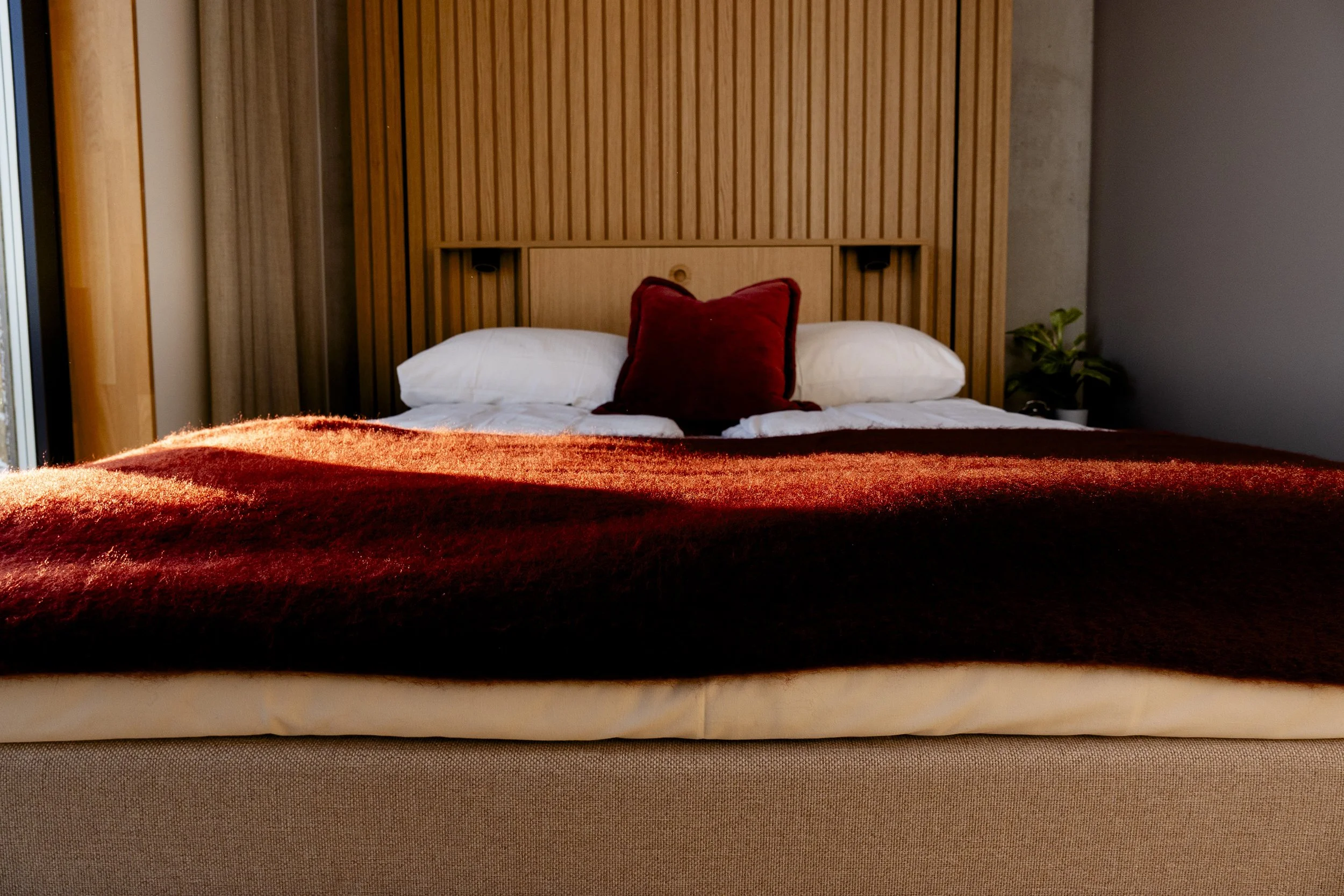
Over the past few months, guests have stayed in a special "pilot room" where the bed can be automatically raised into the ceiling at the push of a button.
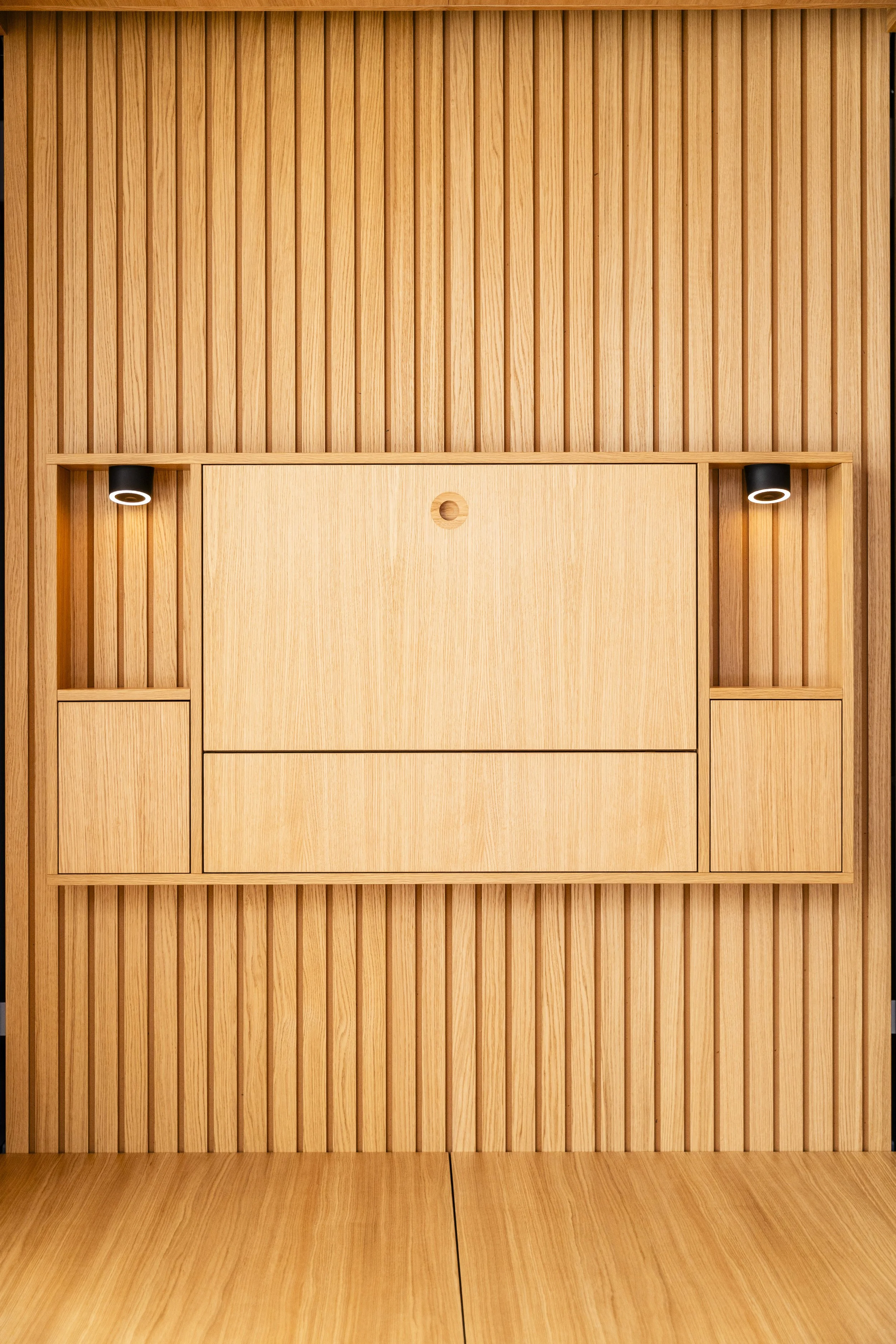
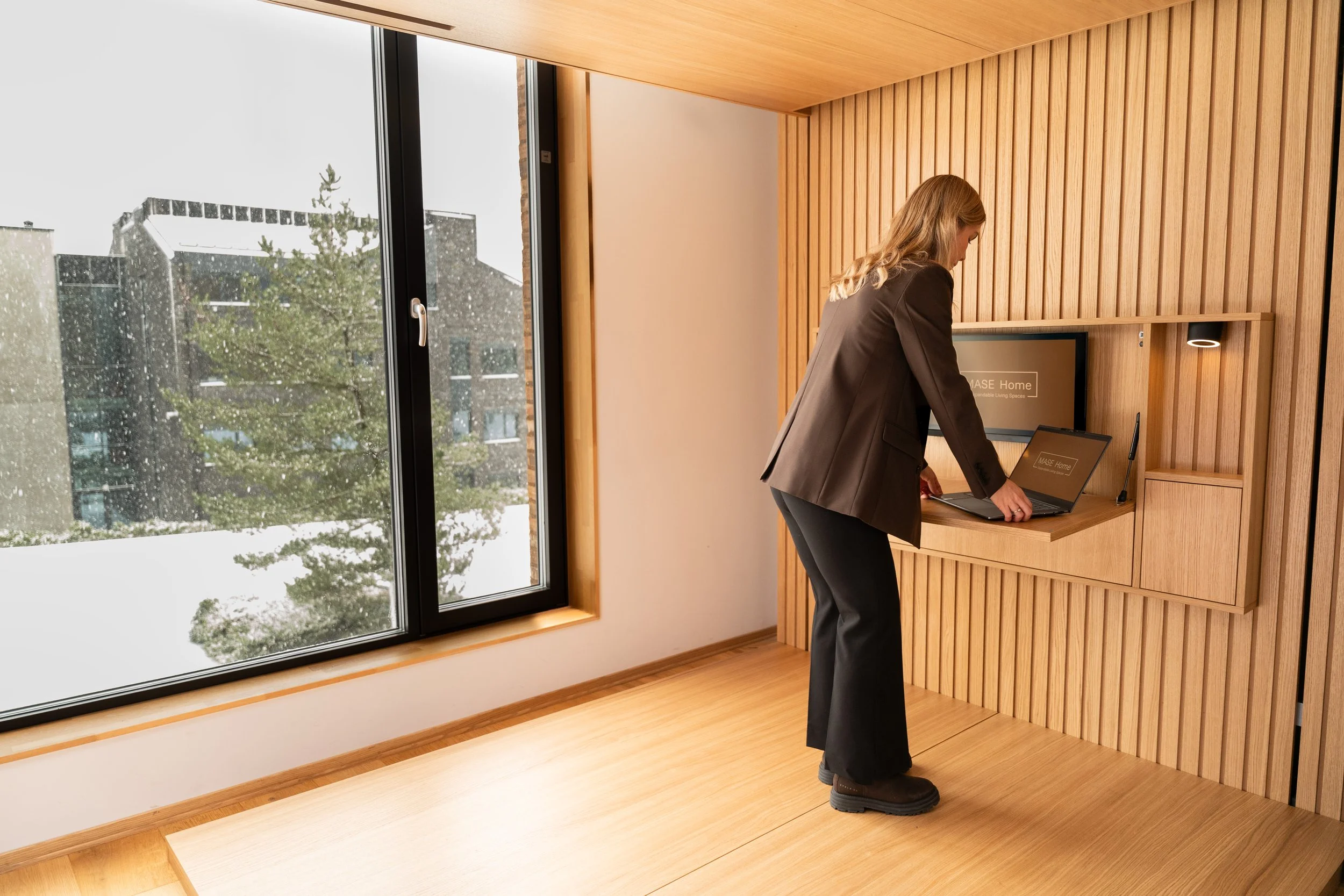
The transformation takes just 25 seconds, turning a simple bedroom into a multifunctional space for sleeping, working, and exercising, all within just 15 square meters!
This pilot has yielded promising technical results and positive guest feedback, marking a major milestone for both the hotel and the startup. Testing concepts on a small scale ensures that the final solutions deliver real value before they are rolled out more broadly, while proving that new furniture tech can lead to more sustainable hotels.
What the Pilot Revealed About Space
Between December 2024 and April 2025, around 30 guests stayed in the pilot room, most of them business travelers. They rated the bed 5 out of 5 for ease of use and 4.7 for comfort, with no malfunctions reported during the entire period. More telling was how they used the room: nine in ten guests made use of the extra floor space when the bed was raised, and 60% worked at the built-in desk. Not one guest described the room as too small.
That finding shaped the next step. In a case study for Ydalir's planned expansion, the same principle was applied to the whole building. A standard double room, normally 17 to 22 m², could be reduced to 14 to 15 m² while keeping a double bed, a workspace and room to move. Across the building, that frees up about 290 m², enough to go from 59 to 80 rooms within the same area, and avoids an estimated 174 tonnes of CO2e from floor space that never needs to be built.
Guests, it turns out, value what a room lets them do more than its size on paper.
A Win-Win for Students and the Industry
Operating as a learning hotel creates value across the board.
For Students: They get to apply theory in practice through research and case studies focused on customer service, sustainability, marketing, and smart technology. This hands-on experience provides a major competitive edge in the job market.
For External Partners: Tech companies and sustainability initiatives can use the hotel as a testing ground to see how their solutions impact daily operations and guest experiences.
For the Industry: The broader hotel sector gains access to fresh knowledge, innovative ideas, and practical solutions that can help them adapt to a rapidly changing market.
Hotel Ydalir proves that the best knowledge isn't just developed in a classroom, but out in the real world.